
From YouTube to $400M: How 'Backrooms' Built Horror's Most Viral Universe
A YouTube series about empty hallways became a global box office phenomenon—here's how the filmmakers pulled it off.

YouTube creepypasta meets blockbuster cinema. Kane Parsons' "Backrooms" started as a viral YouTube run—22 episodes of unsettling deep-dives into liminal space lore, ranging from quick two-minute clips to 45-minute deep cuts. People ate it up. And when the studio greenlit the film version, it became a moment: $400 million worldwide.
Turning internet weirdness into a theatrical experience meant going big. Production designer Danny Vermette and his team built 30,000 square feet of sets across four sound stages—no small feat for a property that thrives on minimalist dread. That's the tension right there: the YouTube version worked because it was lo-fi, disorienting, spare. How do you scale that without losing what made people uncomfortable in the first place?
The answer was treating those empty corridors and fluorescent hallways like actual architecture. Real sets. Real weight. The visual effects team had to match that physicality, too—not let CGI overwhelm the uncanny valley that made the original tick.
This is the streaming-to-theater pipeline done right: respecting the source material's DNA while understanding what makes cinema different. It's not just adaptation—it's translation.
Read the full story at Variety → https://variety.com/2026/artisans/news/backrooms-visual-effects-production-design-1236958246/
Independent artist? Get your own feature.
Get Featured →
Cédric Klapisch Gets the Lifetime Achievement Check at the Césars
French filmmaker behind 'Spanish Apartment' and 'Call My Agent!' is getting honored at the 52nd César Awards.

India's Big Move: 10 Million New AI Workers on the Way
New Delhi is betting heavy on AI talent—and they're thinking massive scale.
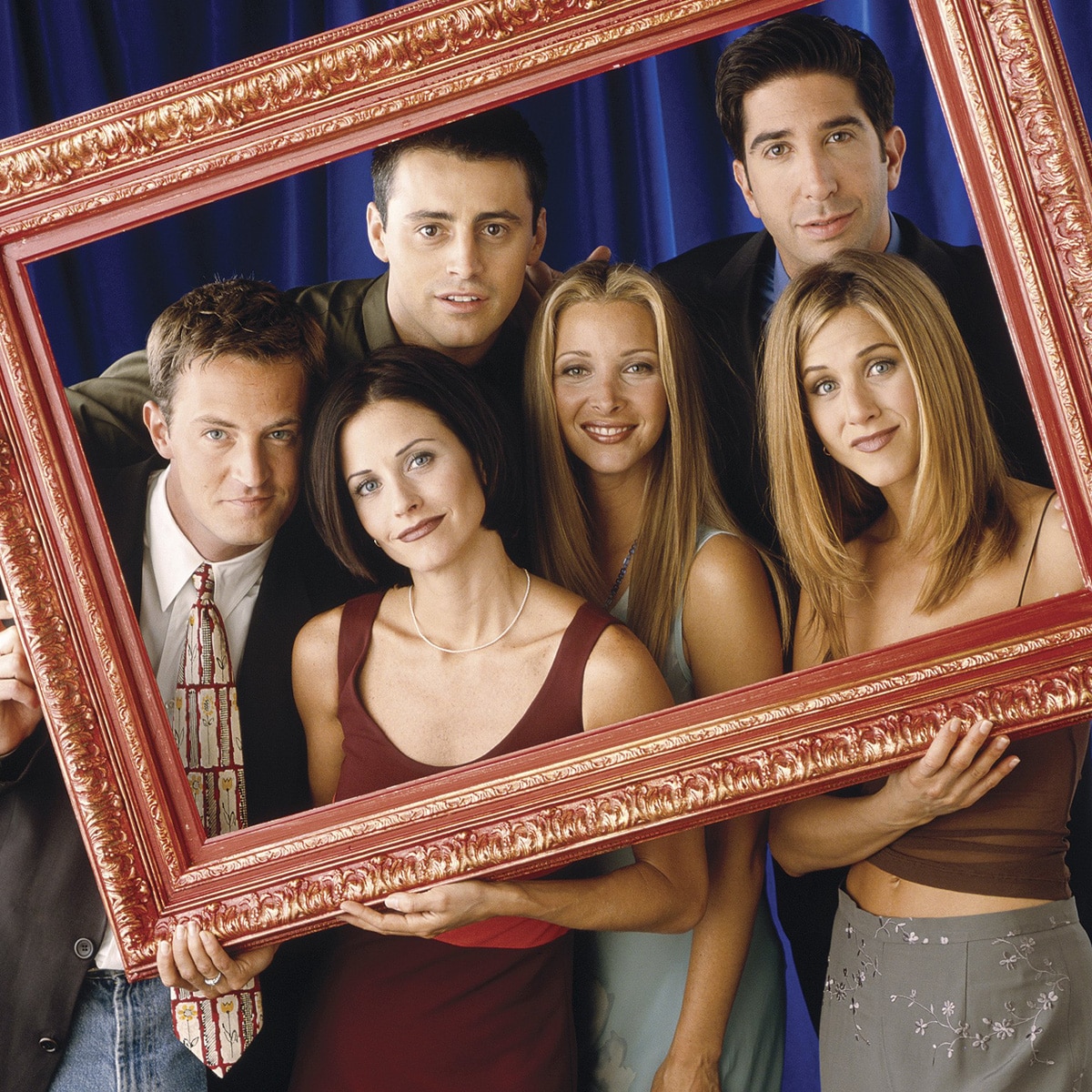
Friends Thanksgiving Hits Different—Here's How They Stack Up
E! ranked every Thanksgiving episode from the sitcom, and yeah, some slap harder than others.
Join the conversation