How to Build Hype the Right Way: Waterfall Releases Explained
Strategic rollouts aren't new, but doing them right can separate the noise from the signal.
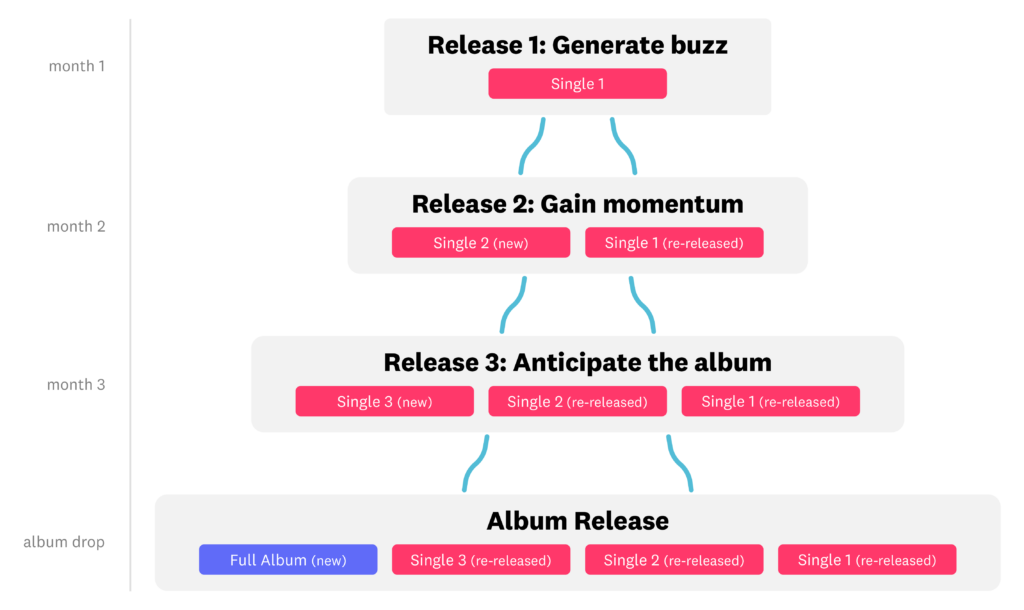
A waterfall release is exactly what it sounds like — you're dropping pieces of your project in stages instead of throwing everything at the wall at once. It's the opposite of that all-or-nothing single-day move. The idea is to build momentum over time, keeping people talking about your music across weeks or months instead of having it peak and disappear in 48 hours.
The real value? You get multiple moments to push your work. One week it's the first single that sets the tone. Then a feature-heavy track hits. Then a behind-the-scenes visual or freestyle. By the time the full project lands, you've already got people invested. It's less about tricking people and more about respecting how people actually consume music now — in waves, not all at once.
Setting one up isn't rocket science either. You need a timeline, clear dates for each release point, and a real plan for what each drop actually is. A single. A video. A remix. Something that moves the needle. It only works if each piece has weight. Just spacing out the same energy five times won't cut it.
For artists trying to break through the clutter, waterfall strategy is worth studying. Done right, it turns one release into five conversations.
Read the full story at DIY Musician → https://diymusician.cdbaby.com/releasing-music/waterfall-release-strategy/
Independent artist? Get your own feature.
Get Featured →
Ben Katovsky joins Matt Spetzler’s Pipeline as CEO
Pipeline is the $200 million-backed financing platform for the music and creative industries that launched in January th
Here’s exactly what Amazon, Spotify, Apple and other streaming services want to pay songwriters for 2028–2032
Spotify, Apple, Amazon, Pandora, and Google have filed their rate proposals in Phonorecords V Source
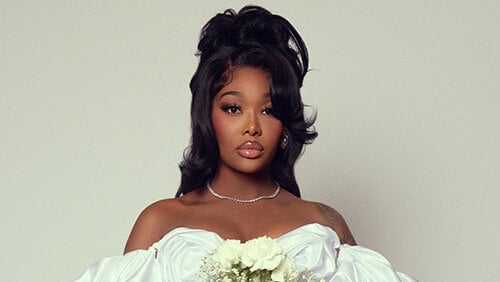
Summer Walker sues LVRN for fraud, asks court to void 2017 deal as Interscope pursues $50M+ claim against her (report)
The suit came to light days after Universal Music Group's Interscope Records sued Walker for more than USD $50 million.
Join the conversation