Ghettoztar Doesn't Write Fiction — He Records What He Survived
Pomona raised him, heartbreak gave him the pen. no made-up drama here.
Product of the Environment
Some artists borrow pain to sound authentic. Ghettoztar just tells you what already happened.
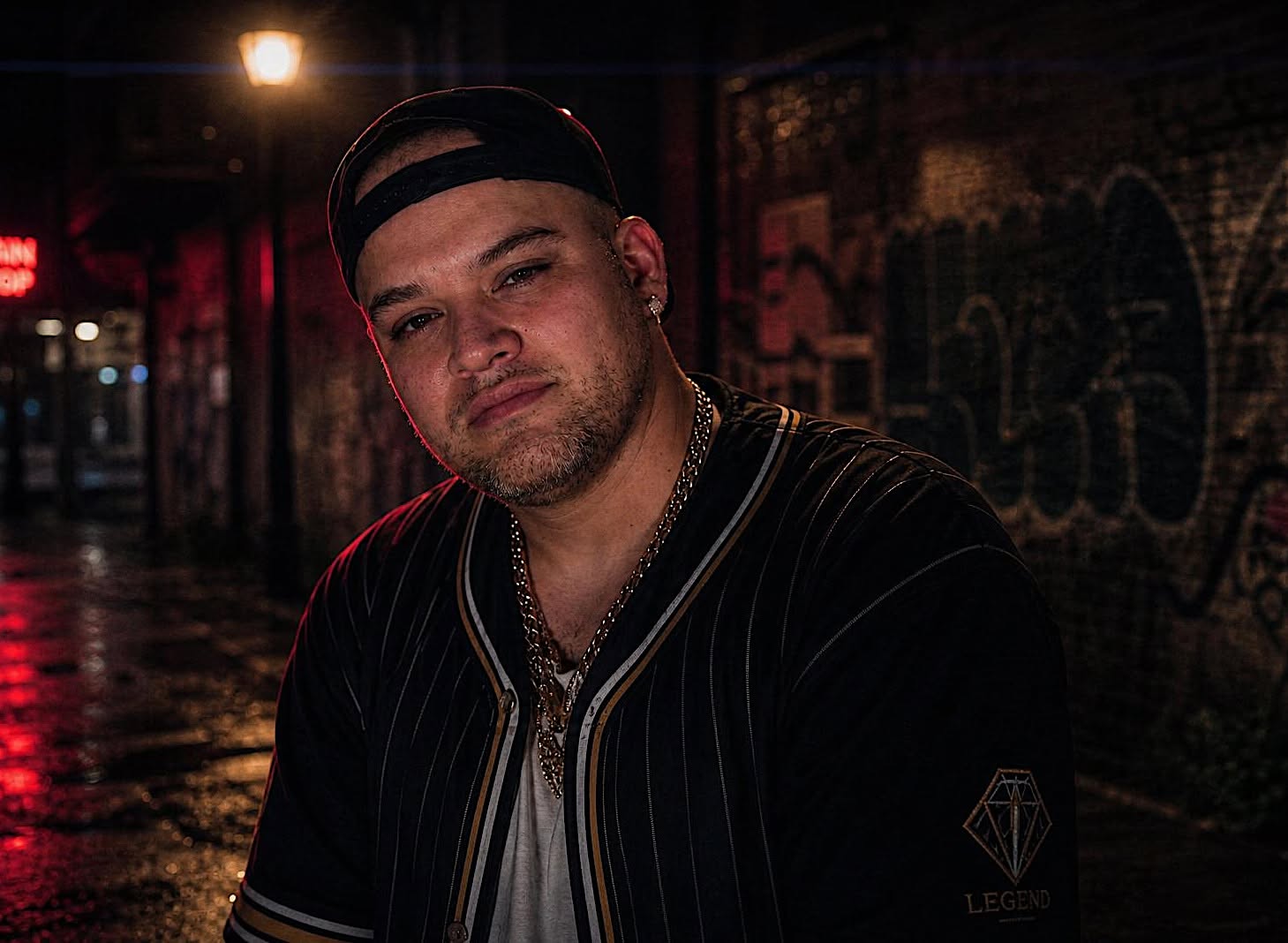
He's from Pomona, California. Mexican, and he makes music in both English and Spanish — that detail matters, because it tells you where the man is speaking from before you even hit play. His one-liner about himself is blunt: a product of his environment, and all his music is experiences he had to go through and came out of. Not stories he heard. Not scenes he imagined. Things he lived.
That's the whole thing with this guy. Zero fiction. He said it plain: no made-up scenarios, no artificial drama. Just a raw record of exactly how he lived and what he survived. In a scene stuffed with people cosplaying a life for content, that's worth stopping for.
The Streets Fed the Hunger
Ghettoztar was always around music — playing instruments, listening, soaking it in. But it didn't become his outlet until a bad breakup cracked something open. Suddenly here was a place he could say everything he was feeling with no fear and no judgment. It just came to him. And it carried him through the roughest times.
That's a story a lot of independent artists know in their chest. Music not as a career move, but as the only room where you could finally be honest.
The song this feature is built around comes straight out of that. It's about what he used to see and experience coming up in the Pomona streets. Those streets molded how he lived and fed his hunger for more. He's not romanticizing it and he's not running from it — he's documenting it. There's a difference, and you can hear it.
What It Cost
Making this music wasn't a clean process. He's open about it: deep self-doubt, creative isolation, limited resources. Every track was a fight against technical hurdles and the plain fear of being vulnerable — of putting the real thing out where people can see it.
But that's exactly where the strength is. He didn't wait for the doubt to disappear. He turned the pain and the true experiences into sound, and the act of doing that became a tool for survival and growth. The vulnerability isn't a weakness in the music. It is the music. Take it out and there's nothing left.
That's what he wants a new listener to understand walking in. When you press play on a Ghettoztar track, you're not getting a performance. You're getting a piece of somebody's actual life story. An undeniable testament to his reality — his words, and he means them.
Where He's Headed
The next chapter is about opening the circle. Ghettoztar's focus now is expanding the brand, pulling in new followers, and networking hard inside the industry — the unglamorous grind that most people skip while waiting to get discovered.
The big one for him is collaboration. He wants to link with other driven artists and build authentic, hard-hitting music that pushes creative boundaries. Not features for clout — real chemistry with people who take the craft as seriously as he does.
Underneath all of it is a lifelong love for the work. The goal is straightforward and honest: break through to the next level, get heard by a global audience, and find out how far this unfiltered talent can actually go.
If you're tired of music that sounds like it was written by committee, this is the antidote. Start with the track on Spotify, then go follow him on TikTok to watch the next chapter build in real time.
Pomona made him. Now he's trying to make the rest of us listen. Give him the chance — he earned it the hard way.
Independent artist? Get your own feature.
Get Featured →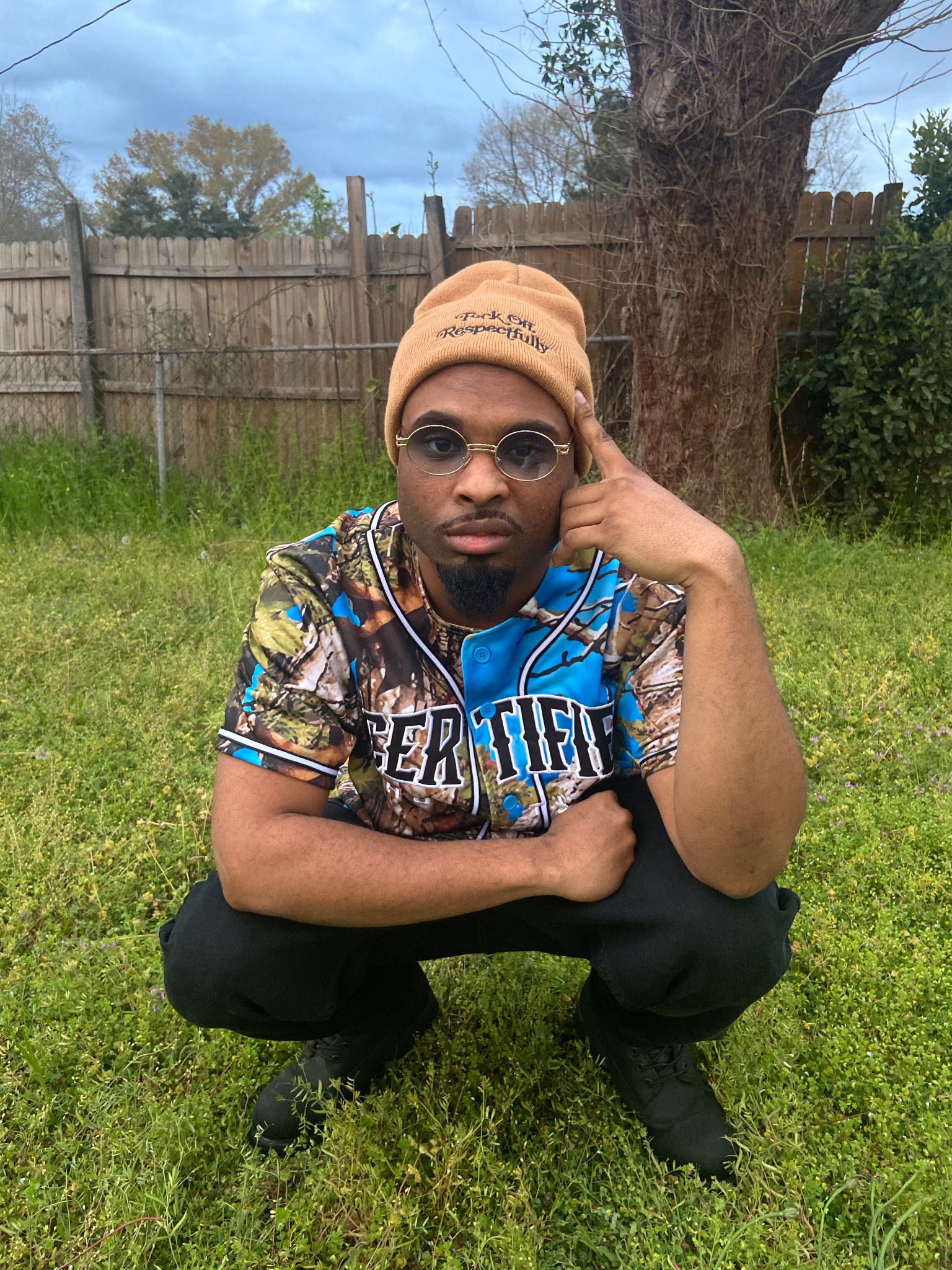
THREE-D: South Carolina-made music rooted in truth, soul, and real life.
"South Carolina-made music rooted in truth, soul, and real life."

jonny hailey: I released my first song in 2021 & have only just settled into a genre that suits my voice.
"I released my first song in 2021 & have only just settled into a genre that suits my voice."
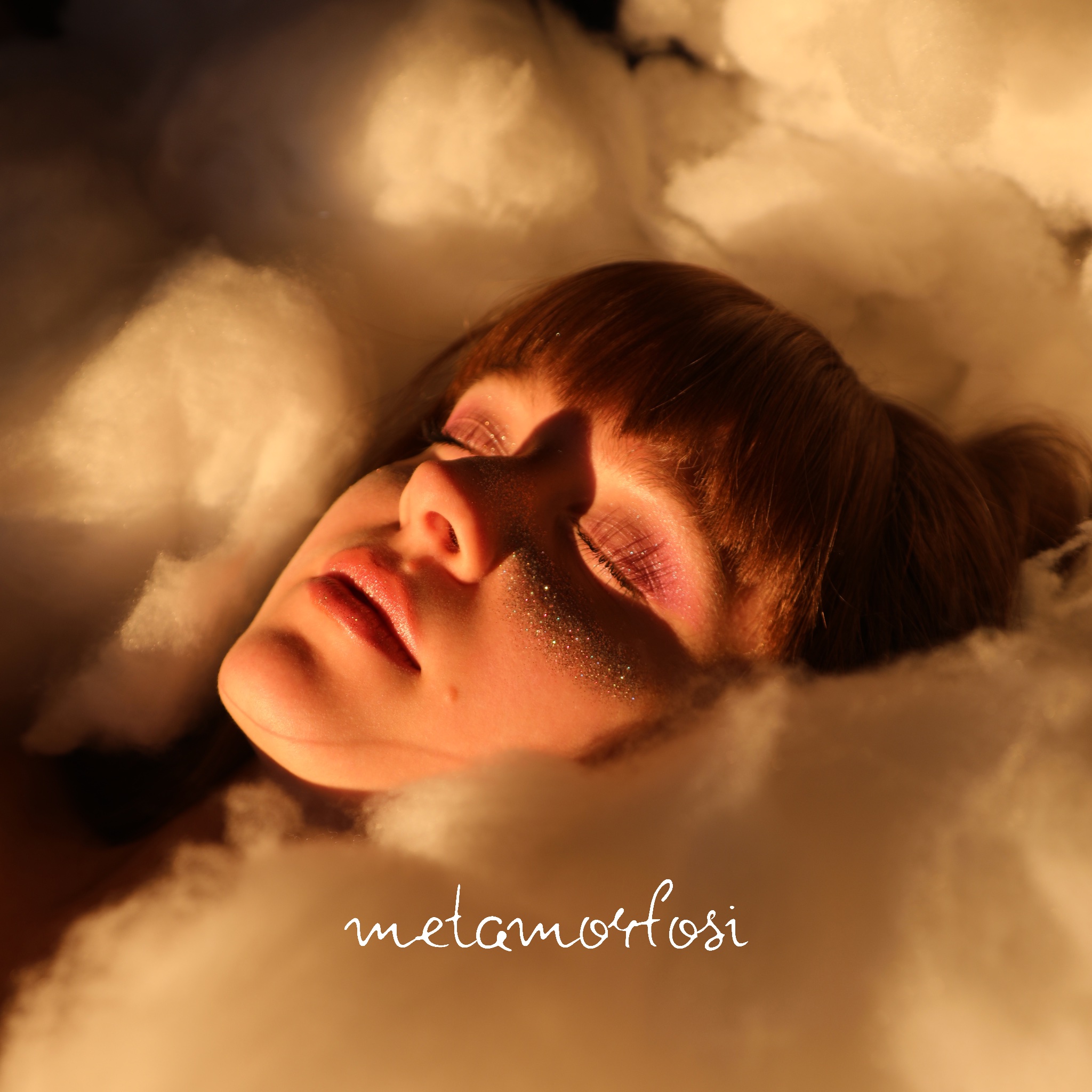
alba: On Metamorfosi, Finding Her Voice and Making Music Beyond Language
From Naples to London, alba has built an independent project where Italian songwriting meets soulful pop and R&B — proving that connection doesn’t need a shared language
Join the conversation